Night-Time Security Routine
A simple, consistent nightly routine is one of the most effective ways to protect your home. These steps help reduce risk, strengthen your defenses, and keep your property secure while you sleep.


Why the routine matters?
A consistent night-time routine is one of the simplest and most effective ways to secure your home. Most break-ins occur when a property appears unprepared or inactive, and almost all of the vulnerabilities exploited at night are preventable with a quick, structured routine. In less than two minutes, you can reduce risk dramatically and ensure your home is protected while you sleep.

Securing Entry Points
Before settling in, do a quick walk-through of your home to confirm all entry points are locked. Patio doors, side entries, and ground-floor windows are often forgotten and are the first locations opportunists test. A simple sweep ensures there are no unlocked or partially open access points that could make entry easier.
Make Use of Night Mode
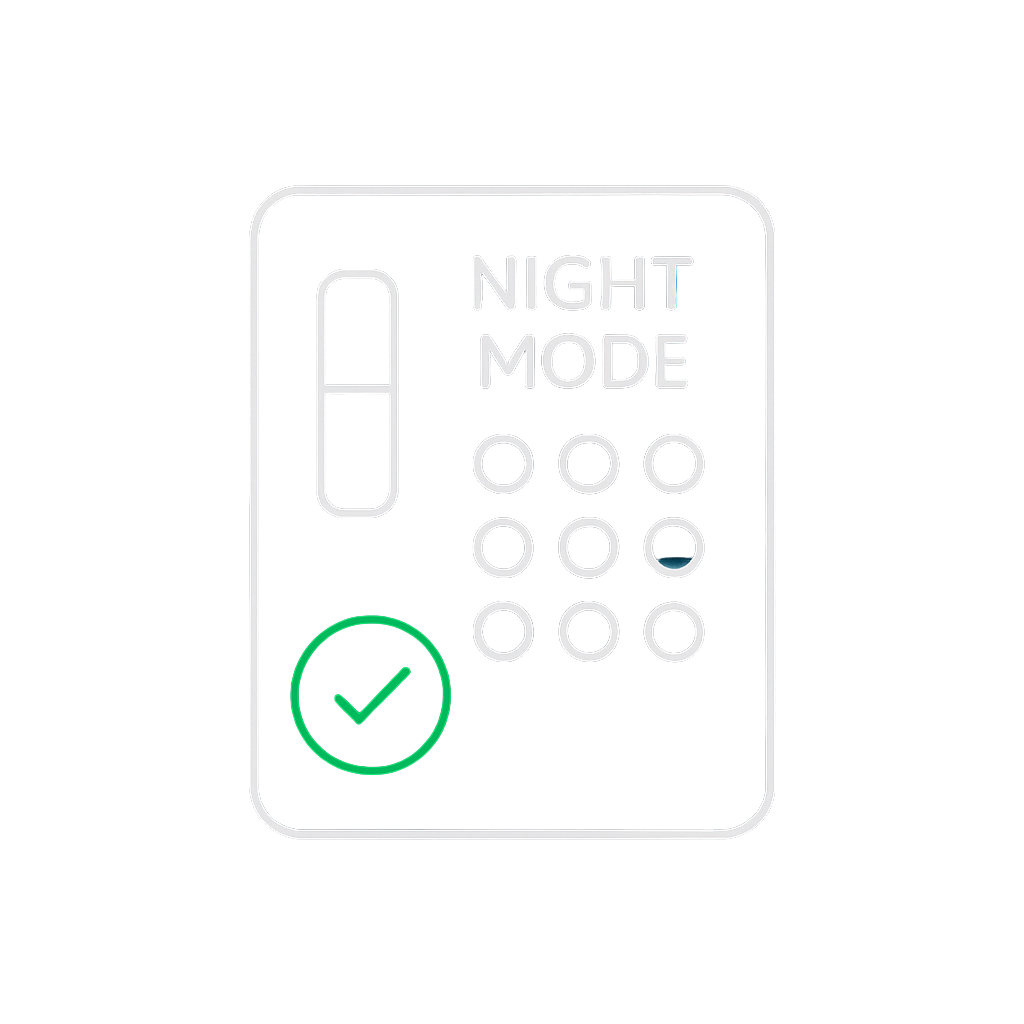
Night mode lets your alarm protect key downstairs and perimeter areas while still allowing movement in bedrooms. By activating it every night, you increase your protection without changing your routine. It also dramatically reduces false alarms by ensuring only the correct sensors are active while you’re home.

A quick visual check outside helps maintain a secure perimeter. Confirm exterior lights are functioning, garden gates are closed, vehicles are locked, and nothing has been left outside that could assist someone climbing or concealing themselves. You don’t need to go outside — a fast glance through windows is enough.

Check your Perimeter & Lighting

Before bed, remove anything visible from windows that could attract attention: keys, wallets, parcels, or electronics. Close blinds or curtains downstairs, position valuables out of sight, and leave one or two low-level lamps on to give the impression of activity rather than vacancy.
Reduce Vulnerability

If something unexpected happens overnight, response time is critical. Keep your phone beside the bed, have your alarm fob or SOS device within reach, and make sure everyone in the household understands the nightly routine. Small preparations like these make a major difference during emergencies.

Keep Emergency Tools Accessible
Need personalised guidance?
Speak to us